Sourcing · July 22, 2026 · 5 minute read
A morning at the apiary
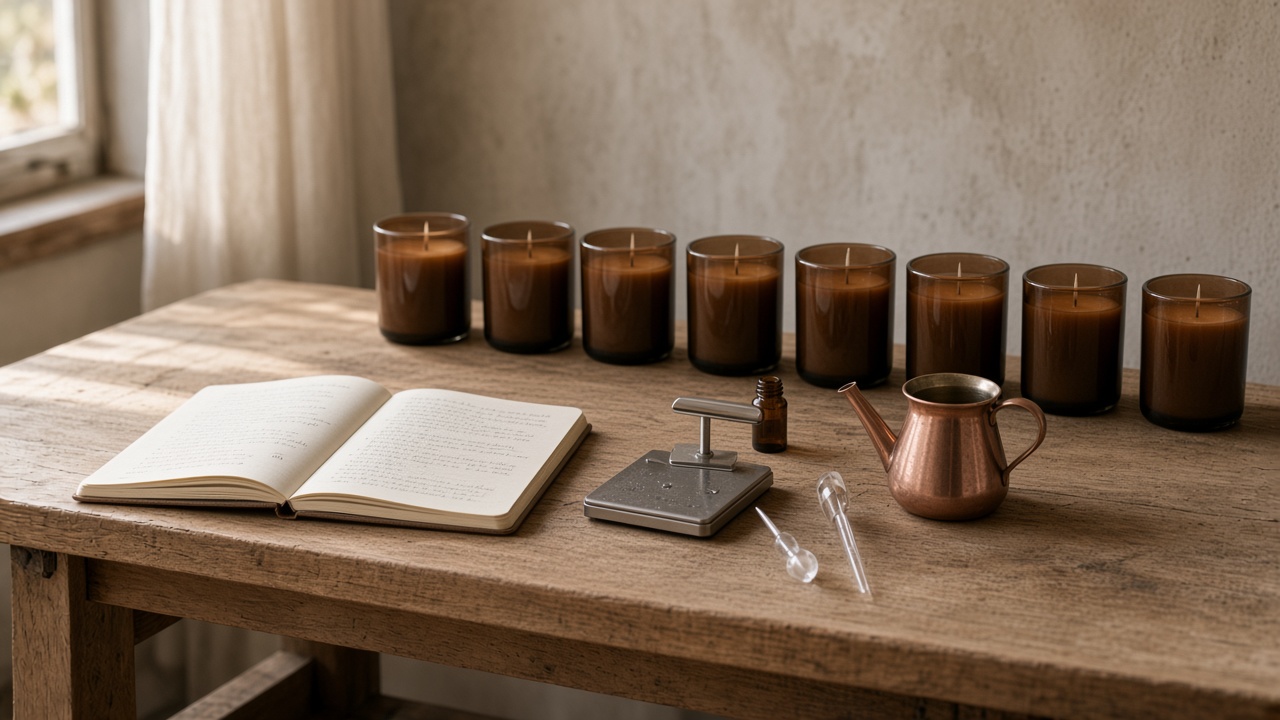
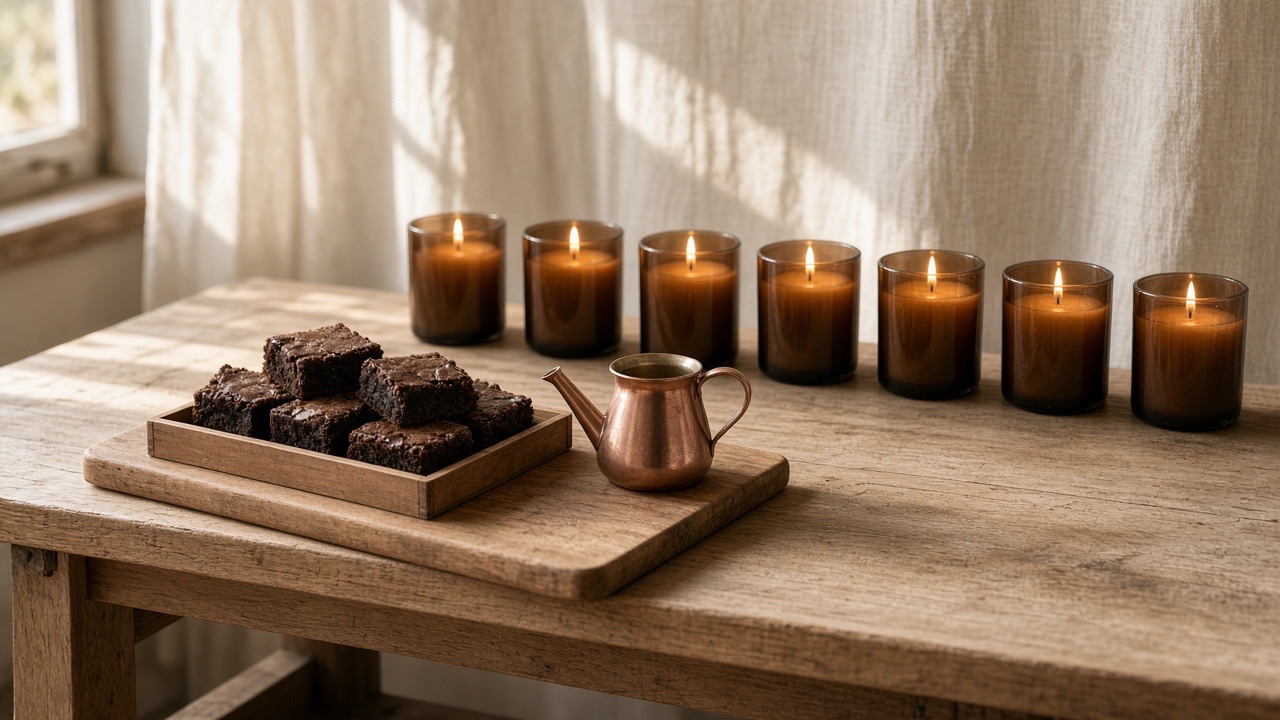
Once a year, Martin drives to Two Rock with a clipboard to see where our beeswax comes from. He has been told the clipboard is unnecessary.
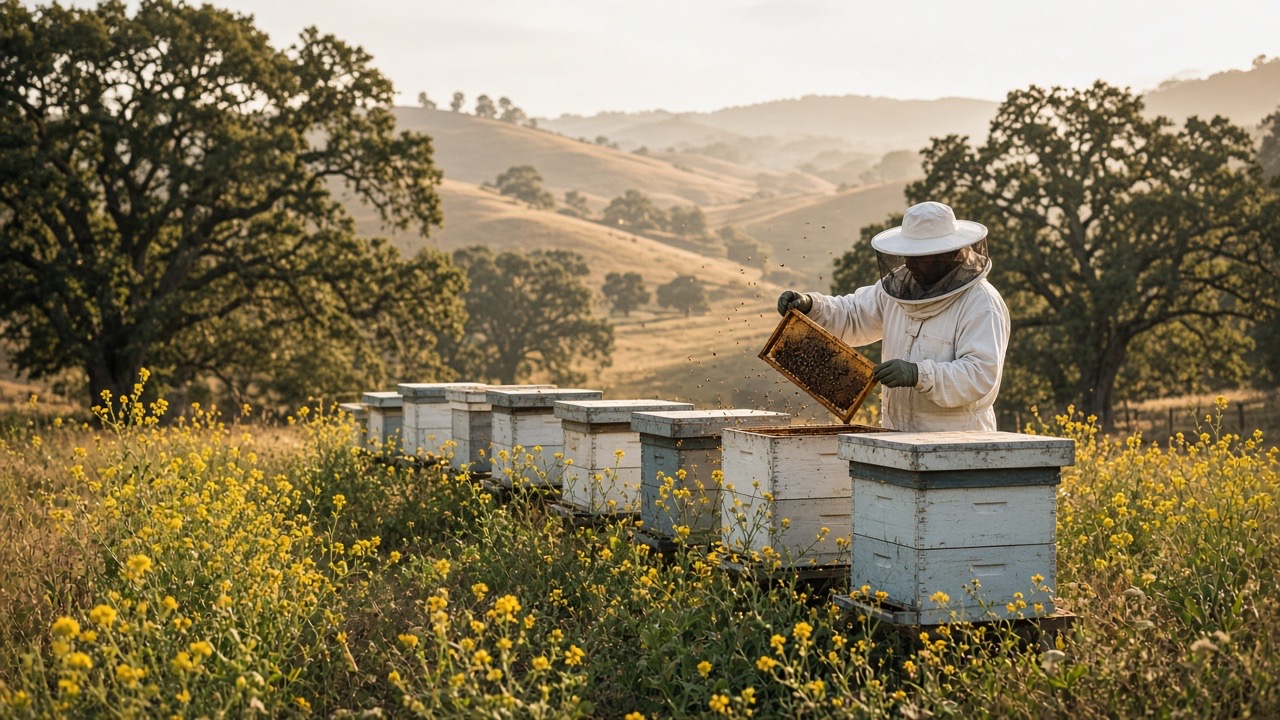
Our beeswax comes from three family apiaries, all within ninety minutes of the shop. Once a year I drive up to each of them with a clipboard. I have been told, by the beekeepers and by June, that the clipboard is unnecessary. I bring it anyway.
The Ferreira family has kept bees on the same hillside above Two Rock since 1978. Carla Ferreira runs about 140 hives now, moving some of them to almond orchards in the spring and bringing them home by June, when the coyote brush and wild mustard come in.
What we buy, and why
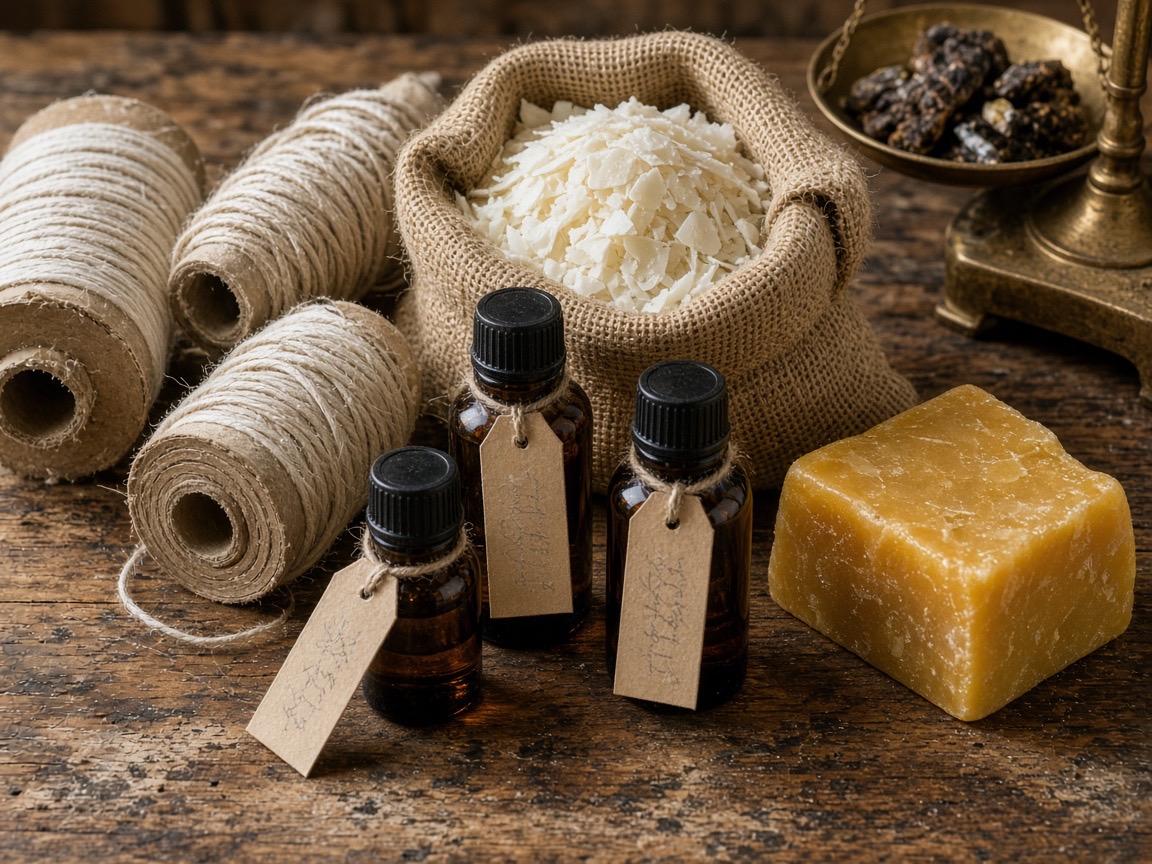
We buy only cappings, the thin layer of wax the bees use to seal each cell of honey. A beekeeper slices it off to get to the honey, so it is a by-product of a harvest that was happening anyway. No hive is opened for us, and no comb is taken for us that wasn’t already coming out.
We pay Carla roughly forty percent above the commodity price for raw wax. She did not ask for this. I insisted, on the grounds that the commodity price is set by people who have never met her bees.
The audit
In 2024 we decided to audit our beeswax supply chain, which is the kind of sentence I enjoy writing. The audit covered hive health, forage, treatment records, and how the wax is rendered and filtered. Carla’s records were better than ours.
The bees themselves did not participate in the audit. This has been noted in the report, without judgment.
“Bees are the only suppliers I’ve worked with who have never missed a delivery and have never once returned a phone call.”
Martin Wick
Slow wax
Carla renders the cappings in a solar melter: a glass-topped wooden box that uses the sun to melt the wax slowly and keep its color. It takes most of a summer week. The wax drips through cheesecloth into a tray and sets into golden blocks, which we collect in October.
What the bees get
Our agreement with the Ferreira apiary includes a line item for forage. We fund a strip of native wildflowers along the fence line, replanted every spring. Carla says it makes a difference. The bees, as with the audit, have declined to comment.
If you buy Sonoma Hive this winter, the wax in your glass came off that hillside in August. If you hold it up to a window, you can see the color of the summer it came from. I wrote that down on the clipboard, which is how I know it was worth bringing.
— Martin Wick